

Beginner Level
Courses tagged with "Beginner Level"
Policy Framework for the Transition to Sustainability

In this course, participants become familiar with selected basic EU policy frameworks, objectives, and implementation strategies to increase sustainability in many areas. The insight into such frameworks is a first step to developing concrete individual implementation measures and strategies that build upon policy recommendations.

Completing this course will equip you to:
- Know the SDGs in general and understand their overall goals
- Describe the main objectives, implementation strategies and advantages of the European Green Deal
- Understand fundamental considerations of the EU Action Plan for the Circular Economy
- Explain the objectives and actions of the Green Action Plan for SMEs

- Business/SME owners/Managers
- Entrepreneurs
- Students
- Teacher: BEST Institut
- Enrolled students: 36
Introduction to Sustainable Development

The course will provide participants with a basic overview and knowledge of the concepts of “sustainability” and “sustainable development”, including definitions, main concepts and strategies. During the course, participants will understand the main concepts, discuss and reflect on different concepts critically and get a basic understanding of sustainable business practice.

Completing this course will equip you to:
- Explain various definitions and the evolutionary development of the terms “sustainability” and “sustainable development”
- Summarise the key concepts of sustainability
- Explain sustainability strategies
- Describe and explain sustainability dimensions
- Reflect and discuss sustainability concepts critically

- Professionals (from public and private institutions, NGOs)
- Teachers
- Students
- Teacher: Johannes Oberndorfer
- Enrolled students: 26
Introduction to Green Economy

The course will help the participants to recognize the importance of the green economy in creating green economic development in communities and organisations. The participants will gain insight into how green national policies are made, how green business strategies are prepared that will lead to green jobs, and the development of green work skills and social values - all elements that create a green economy as a basis for sustainable social development of society and the state.

Completing this course will equip you to:
- Understand the Green Economy principles
- List different Green National Policies
- Summarise how green skills promotion and acquisition would support Green Economy Development
- Describe different business strategies for transforming companies and organisations into sustainable green, socially responsible ones

- Professionals (from public and private institutions, NGOs)
- Students
- SMEs Managers
- Teacher: Edvard Sofeski
- Enrolled students: 24
Introduction to Social Economy

This course provides a basic introduction to Social Economy. It also explores the role of the Social Economy in sustainable development goals and innovation. The participants will have the opportunity to understand different models of social economy and illustrate successful social economy initiatives.

Completing this course will equip you to:
- Understand the definition and characteristics of Social Economy
- Identify different models of Social Economy, such as cooperatives, mutuals, associations, foundations, and social enterprises
- Explain the role of the Social Economy in relation to the Sustainable Development Goals
- Outline the potential of the Social Economy for social and economic innovation

- Professionals (from public and private institutions, NGOs)
- Students
- Teachers
- SMEs Managers
- Teacher: Carolina Marques
- Teacher: Florinda Matos
- Teacher: Ines Messias
- Enrolled students: 21
Introduction to Sustainability Communication

In this course, participants are introduced to the topic of 'Sustainable communication'. They learn what sustainable communication is, what objectives it pursues, and what advantages/benefits sustainable communication has for companies. They learn about basic strategies and implementation possibilities. They receive example practices and are sensitised to 'greenwashing'.

Completing this course will equip you to:
- Understand what sustainable communication is
- Be able to name fundamental objectives of sustainable communication
- Remember the five foundations of sustainability communications
- Understand the concept of sustainable communication vs. greenwashing

- Professionals (from public and private institutions, NGOs)
- Students
- Teacher: BEST Institut
- Enrolled students: 22
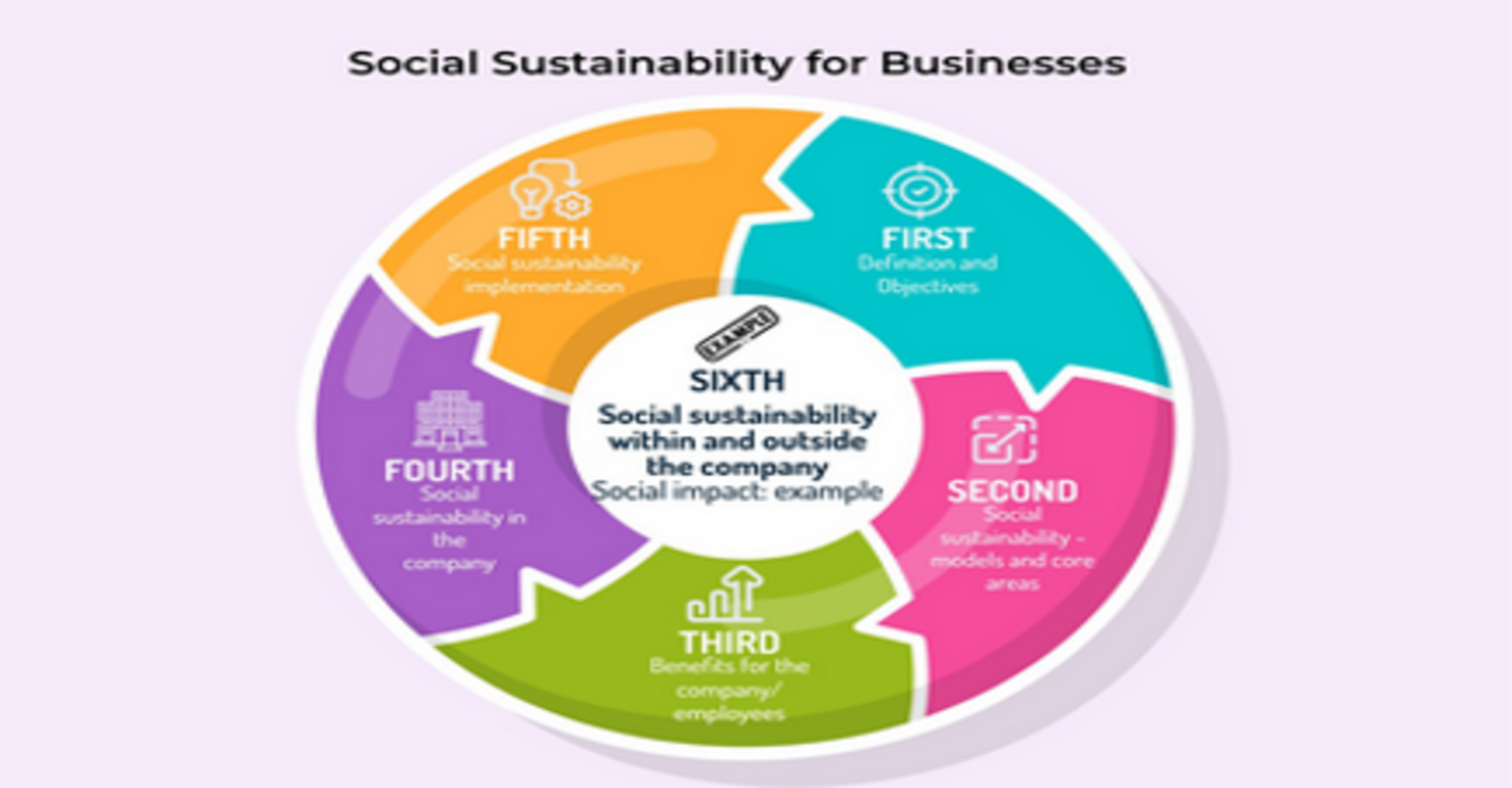
Corporate Social Responsibility in Companies - a Course for Business Owners

This course introduces participants to the basics of Corporate Social Responsibility (CSR). The course covers an initial clarification of terms, the explanation of underlying goals as well as various examples in a company, advantages, and disadvantages from the perspective of workers.

Completing this course will equip you to:
- Understand the fundamental considerations and objectives of CSR
- Name typical CSR areas
- Discuss the advantages and disadvantages of CSR from the perspective of employees
- Illustrate good examples of CSR in companies

- Managers
- Business owners
- Entrepreneurs
- Teacher: BEST Institut
- Enrolled students: 15
The Basics of Corporate Social Responsibility - a Course for VET Learners

This course introduces participants to the basics of Corporate Social Responsibility (CSR). The course covers an initial clarification of terms, the explanation of underlying goals as well as various examples in a company, advantages, and disadvantages from the perspective of workers.

Completing this course will equip you to:
- Understand the fundamental considerations and objectives of CSR
- Name typical CSR areas
- Discuss the advantages and disadvantages of CSR from the perspective of employees
- Illustrate good examples of CSR in companies

- Professionals (from public and private institutions, NGOs)
- Students
- Teacher: BEST Institut
- Enrolled students: 11
Introduction to Sustainable Brands

This short introduction to sustainable brands will give an overview of sustainable companies (best practices) from different branches and a rough analysis of what makes a brand sustainable. Furthermore, the course will deal with different labels/certificates which are pointed out as sustainable brands.

Completing this course will equip you to:
- Understand what a sustainable company is
- Understand the factors which are necessary for a brand/company to be sustainable
- Remember sustainable certificates

- Managers
- Business owners
- Entrepreneurs
- Professionals (from public and private institutions, NGOs)
- Students
- Teacher: Thomas Winkler
- Enrolled students: 19
Introduction to Sustainable Finance

The courses will help participants to understand the potential that sustainable finance products bring to their organisation. The course covers topics related to sustainable, green and climate finance and its impact on achieving the SDGs.

Completing this course will equip you to:
- Understand sustainable, green and climate finance
- Summarise the core concepts of sustainable finance and the relevance of sustainability considerations for the key actors in the financial system
- Explain the contribution of sustainable finance to achieving the Sustainable Development Goals and the goals of the Paris Agreement on Climate Change
- Describe different sustainable finance products, such as bonds and loans

- Managers
- Business owners
- Entrepreneurs
- Students
- Teacher: Snezana Kostadinoska-Miloseska
- Enrolled students: 25
Introduction to Business Transformation Towards Sustainability

More and more companies recognize that climate protection, resource efficiency, human rights in the supply chain and diversity are no longer niche issues but economic opportunities and necessities. The course will introduce the concept of sustainability, provide an overview of sustainability measures and offer a status-quo analysis, including essential, concrete, and simple steps to start building upon sustainability efforts for transformation.

Completing this course will equip you to:
- Define the elements and key components of sustainability
- List different sustainability measures a company can take into consideration
- Summarise the importance of a sustainable transformation for businesses
- Identify what you can contribute on a personal as well as organisational level towards sustainability

- Managers
- Business owners
- Entrepreneurs
- Students
- Teacher: Katharina Reuter
- Enrolled students: 13
Digital Transformation and Sustainability

This course aims to raise participants' awareness and provide basic knowledge on the role of digital tools in guaranteeing environment and business sustainability. It presents the transformations and benefits of digital transformation for businesses. It overviews the general actions and processes required to adapt the organisation to digital transformation, notably people management, intellectual capital, and organisational knowledge management.

Completing this course will equip you to:
- Explain key concepts related to digital transformation.
- Understand how digital transformation helps the progress of the environment and business sustainability.
- Identify the transformations and benefits of digital transformation and its impacts on business models, supply chains or decision-making processes

- Managers
- Business owners
- Entrepreneurs
- Students
- Teacher: Carolina Marques
- Teacher: Florinda Matos
- Teacher: Ines Messias
- Enrolled students: 52

Introduction to Learning Organisations

Learning organisations are those that encourage and facilitate continuous learning, innovation, and adaptability among their employees, ultimately leading to improved performance and competitiveness. This introductory course aims to introduce participants to the basic concepts of organisational learning and its importance in the context of organisational development and change.

Completing this course will equip you to:
- Identify the pillars of a learning organisation
- Understand the advantages and constraints of the implementation of learning organisation culture
- Discuss the role of leadership in changing cultures
- Understand the strategies for measuring and maintaining the learning culture

- Managers
- Business owners
- Entrepreneurs
- Students
- Teacher: Rhonda Bowen
- Teacher: Isabel Flores
- Teacher: Florinda Matos
- Teacher: Ana Tomik
- Enrolled students: 11
Introduction to Intellectual Capital

The course is intended to provide participants with a basic understanding of what intellectual capital is, and its importance for every organisation. During the course, the participants will be able to explore different elements of intellectual capital, potential activities to grow these capitals and methods and indicators to measure and manage intellectual capital.

Completing this course will equip you to:
- Define the elements of intellectual capital
- Summarise the importance of intellectual capital and its relation to the competitive advantage of the company
- Discuss the benefits of collaborative and innovative partnerships
- List different methods for measuring intellectual capital
- Describe different methods for managing intellectual capital (human, structural, organisational, process, innovation, relational capital)

- Managers
- Business owners
- Entrepreneurs
- Students
- Teacher: Slavica Trajkovska
- Enrolled students: 28
Sustainable Materials Management - Recycling, Downcycling and Upcycling

Sustainable Materials Management is a systemic approach to using and reusing materials more productively over their entire lifecycle. By looking at a product's entire lifecycle, new opportunities can be found to reduce environmental impacts, conserve resources, and reduce costs. The course presents and defines concepts related to recycling, downcycling and upcycling concepts, as well as available recycling technologies.

Completing this course will equip you to:
- Identify techniques, technologies and manufacturing processes to deal with waste
- Recognize the requirements of sorting and preparation of recycled materials
- Recognize the requirements of manufacturing processes and quality control of recycled materials
- Select the standards and regulations on waste applicable to recyclates

- Managers
- Business owners
- Entrepreneurs
- Students
- Teacher: Liliana Ramos
- Teacher: Rui Soares
- Teacher: CENTIMFE - Technological Center for the Mouldmaking, Special Tooling and Plastic Industries
- Enrolled students: 16

Slow Fashion: Eco-Design and Circular Design in TCLF Industries

This course aims to raise awareness on the environmental and social issues associated with quick fashion. It will provide basic knowledge on natural, synthetic and recycled materials used in the TCLF sector and their environmental impact (recyclability, microplastics etc.). Participants will have an overview of quick fashion impact on a company's ESG reporting and its importance in becoming part of larger value chains and financing opportunities.

Completing this course will equip you to:
- Learning basic information on TCFL materials and understanding their environment and social impact related to quick fashion applications
- Learn the basic concepts of green labelling and traceability and understand what greenwashing is and the importance of being included in sustainable value chains
- Comprehend the importance for very small and small enterprises to meet the requirements on environmental and ethical issues to enter larger value chains

- Students
- Small and very small enterprise owners in TCLF sector
- Fashion designers
- Sales and marketing in the TCLF sector
- Teacher: Michail Delagrammatikas
- Teacher: Nikolaos Nikolaou
- Teacher: Emi Tsakalou
- Teacher: Lina Tsakalou
- Enrolled students: 9
Circular Design and Eco-Design Basic Concepts

Circular design is the practice of creating durable, reusable, repairable and recyclable products that generate zero waste to support a circular economy. Eco-design considers environmental aspects at all stages of the product development process, striving for products which make the lowest possible environmental impact throughout the product life cycle. The course covers aspects of Circular Economy, presenting and defining concepts related to Circular Design & Eco-design.

Completing this course will equip you to:
- Identify the basic concepts of circular design and eco-design, as well as their methodologies and applicable regulation
- Select from circular design and eco-design methodologies in practical exercises
- Understand the basic LCA concepts, principles and methods

- Managers
- Business owners
- Entrepreneurs
- Professionals (from public and private institutions, NGOs)
- Teacher: Liliana Ramos
- Teacher: Rui Soares
- Teacher: CENTIMFE - Technological Center for the Mouldmaking, Special Tooling and Plastic Industries
- Enrolled students: 17
Building an Effective Team, Empowering Collaboration and Synergy

The course is intended to provide participants with a basic understanding of the importance of team dynamics and the effects of cohesive teams in the organisation. During the course, the participants will be able to explore different elements of team management, understanding the influence of personality and culture on a team’s performance. After this course, the participants can acquire the next steps in better comprehension of their own team and potential further steps for development.

Completing this course will equip you to:
- Define the elements of effective teams and their importance
- Summarise the importance of different personalities and cultures and their influence on the team dynamic
- Discuss the benefits of team collaboration and synergy in achieving the company goals
- Describe different methods for managing teams and avoiding emotional cancer behaviour

- Managers
- Business owners
- Entrepreneurs
- Students
- Teacher: Andrijana Filipovikj
- Enrolled students: 23
Green up our (work) life: an introduction to Sustainable Behaviour

The course offers insights into the importance of sustainable practices and how they can be successfully integrated into personal and professional areas. This course equips you with actionable knowledge to make a tangible impact on the environment and society. Embrace a greener lifestyle and champion sustainability in your life and career. Dive into the significance of sustainable choices and discover your personal carbon footprint through the innovative PSLifestyle App.

Completing this course will equip you to:
- Understand the importance of sustainable behaviour not only on personal but also on company and product level
- Define 2-3 sustainable actions on each of the following levels: personal, corporate and project
- Refine your personal habits and foster sustainability in everyday life
- Explore ten sustainability challenges tailored for professional environments, empowering you to drive positive change at work

- Professionals (from public and private institutions, NGOs)
- Managers
- SME owners
- Students
- Teacher: Johannes Klement
- Teacher: Jennifer Wiegard
- Enrolled students: 17

Efficient Stress Management With Special Regard to the Competent Handling of Techno-Stress

In this course, the participants deal with the importance and necessity of efficient stress management with special regard to the competent handling of techno-stress. Participants will learn about stress (eustress/distress, stressors, etc.) and different possibilities for efficient and health-promoting handling of stressors in the workplace. The participants will deal with typical symptoms of techno-stress. They will learn about target-oriented coping strategies.

Completing this course will equip you to:
- Analyse and describe techno-stress
- Distinguish eustress from distress
- Understand the necessity of competent and efficient stress management
- be able to apply the presented preventive stress measures the most appropriate for specific situations
- Explain techno-stress symptoms
- Use several techniques and methods to manage techno-stress

- Managers
- Business owners
- Entrepreneurs
- Students
- Teacher: BEST Institut
- Enrolled students: 13
